
New Yorkers live in the smallest homes in America and, it turns out, rent some of the least storage space to go with them. Studios hover around 300 square feet and one-bedrooms rarely clear 700, yet the average New Yorker has access to just 2.4 square feet of self-storage, well under half the national figure. This report pulls together the self storage statistics NYC renters and reporters keep asking about: how much the average New Yorker actually stores, what size units they rent, why demand keeps climbing, and what ends up inside those units.
Quick answer: The average New Yorker has about 2.4 square feet of self-storage per person, versus roughly 6 square feet nationally, even though NYC apartments are among the smallest in the country. With facility occupancy above 90% in New York, demand far outpaces the limited supply, which is why storage here is harder to find and pricier than almost anywhere else in the US.
NYC Self Storage Statistics: The Key Numbers for 2026
New York is a high-demand, low-supply storage market: less space per person, higher occupancy, and smaller apartments than the national norm. The self storage statistics below are the headline figures New Yorkers and reporters cite most.
| Metric | Figure |
|---|---|
| Self-storage per capita, NYC | about 2.4 sq ft |
| Self-storage per capita, US | about 6 sq ft |
| NYC facility occupancy | above 90% |
| New NYC storage space added (2025) | about 451,000 sq ft (1.9% of inventory) |
| Median NYC apartment size | about 800 sq ft |
| Most popular US unit size | 10×10 (about 23% of units) |
| US households renting storage | about 11% |
Nationally, self-storage is a large and growing business. The US market is projected to grow from $68.31 billion in 2025 to $73.54 billion in 2026, a compound annual growth rate of 7.7% (Mordor Intelligence, 2026), spread across more than 2.1 billion square feet and roughly 52,000 facilities. New York captures an outsized share of the demand and a below-average share of the space.
How Much Storage Does the Average New Yorker Have?
Not much, relative to the rest of the country. New York City offers about 2.4 square feet of self-storage per capita, compared with roughly 6 square feet per person nationally, even though the median NYC apartment is around 800 square feet and studios often run 250 to 500. Less home space and less storage space is a tough combination.
Self-storage per capita is the total rentable storage square footage in an area divided by its population, which shows how much supply exists per person and how tight a market is for renters. New York’s low figure, paired with occupancy above 90% (Self Storage Association, 2025), signals a chronic shortage. When most units in a market are already full, the ones that remain get expensive fast, which is one reason NYC storage prices sit well above the national average. If you want the fuller picture of how storage stacks up against paying for apartment space, our cost of storage vs apartment space in NYC breakdown runs those numbers.
What Size Storage Unit Do New Yorkers Rent?
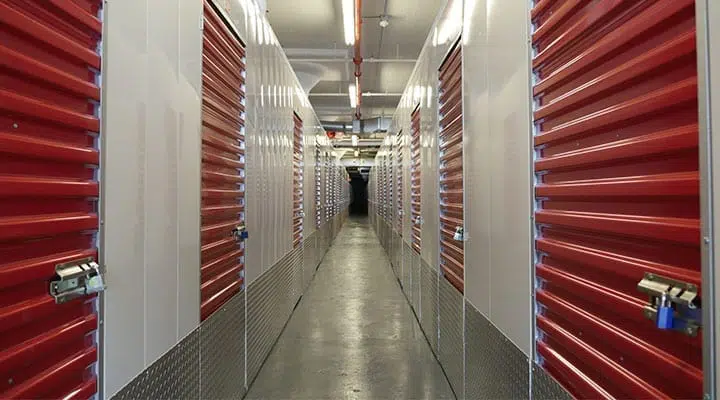
Smaller than the rest of the country. Nationally, the 10×10 is the most popular unit, making up about 23% of all units, and the 10×10, 10×15, and 10×20 together account for roughly 60% of inventory. In space-starved NYC, the workhorses are the smaller 5×5 and 5×10, which hold a closet’s or a studio’s worth of belongings without the price tag of a full room.
The math explains the difference. A national 10×10 non-climate unit averages about $119 a month, and NYC rates run higher, so New Yorkers tend to right-size down to control cost. In our experience across 30-plus years, the 5×10 is the single most requested size for apartment dwellers: big enough for furniture from a one-bedroom, small enough to stay affordable. If you are unsure which size fits your load, the storage unit size guide shows what goes in each. For the lowest available rates, compare options on our affordable NYC storage page.
Why Self-Storage Demand Keeps Climbing in NYC
Because homes are shrinking while life keeps happening. The average US home has gotten smaller since 2016, high mortgage rates have locked many people into places that no longer fit, and about 16% of Americans have already rented a unit to cope with that mismatch, with another 25% considering it (industry survey data, 2025). In a city of small apartments, that pressure is amplified.
Life events drive the rest. Nearly 70% of storage demand traces to what the industry calls the four D’s: death, divorce, dislocation, and downsizing (Self Storage Association, 2025). These are not closet upgrades, they are transitions, and New York produces a lot of them: constant moves, renovations, roommate changes, and job relocations. NYC added about 451,000 square feet of new storage in 2025, yet that was only 1.9% of existing inventory, not nearly enough to close the gap, which keeps occupancy above 90% and rates firm.
What New Yorkers Actually Keep in Storage
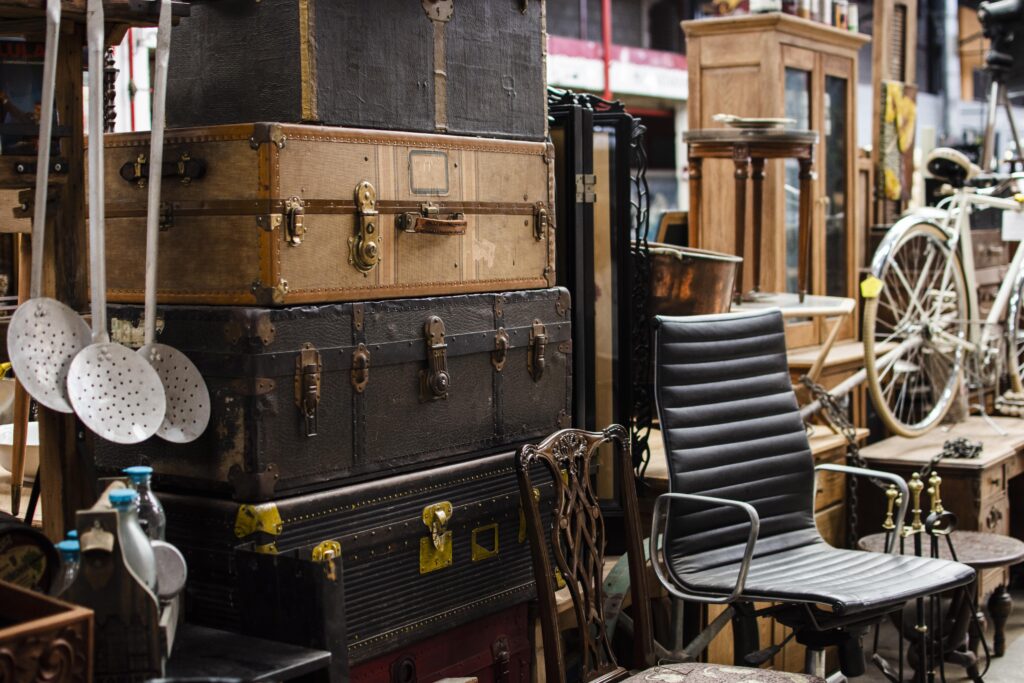
Mostly furniture, seasonal gear, documents, and the overflow of small-apartment life. Personal (non-business) users account for about 77% of self-storage revenue nationally (industry data, 2025), and in a dense rental city that skews toward apartment overflow: off-season clothing, holiday decorations, bikes and sports equipment, and furniture that does not fit a new place.
Business storage is a meaningful slice too. NYC’s freelancers, e-commerce sellers, contractors, and small retailers use units for inventory, equipment, and records when commercial rent per square foot is far higher than storage. The common thread is timing: people reach for storage during a move, a renovation, a downsizing, or a business change, which is exactly when demand for a nearby, secure unit spikes. You can start from our Moishe’s Self Storage in NYC homepage to see current sizes and availability.
Frequently Asked Questions
How many New Yorkers use self storage?
Precise city-level counts are not published, but nationally about 11% of US households rent a self-storage unit, up from under 9% in 2005 (Self Storage Association, 2025). In NYC, low per-capita supply of about 2.4 square feet and occupancy above 90% suggest demand outstrips availability, so the share of would-be renters is likely higher than the units can serve.
What size storage unit do most people rent?
Nationally, the 10×10 is the most popular size, at roughly 23% of all units, and the 10×10, 10×15, and 10×20 together make up about 60% of inventory. In NYC, smaller 5×5 and 5×10 units are more common because apartments are smaller and every square foot costs more.
Why is self storage in such high demand in NYC?
New York combines the smallest apartments in the country with limited storage supply, about 2.4 square feet per capita versus roughly 6 nationally. Add life events like moves, renovations, and downsizing, which drive nearly 70% of demand (Self Storage Association, 2025), and you get facility occupancy above 90%.
How much does self storage cost in New York City?
More than the national average, because demand is high and supply is tight. A 10×10 unit averages about $119 a month nationally, and NYC rates typically run higher, which is why many New Yorkers rent smaller 5×5 or 5×10 units. Introductory offers, like a first month free or a discounted 5×5, can lower the entry cost.
What do people store most often?
Furniture, seasonal items, documents, and small-apartment overflow lead the list, with personal users accounting for about 77% of self-storage revenue (industry data, 2025). Business storage of inventory, equipment, and records is a growing second category, especially in a city where commercial space is expensive.
The Bottom Line
These self storage statistics make one thing clear: New Yorkers store their lives in less space than almost anyone in America, at home and in storage. The numbers that matter:
- The average New Yorker has about 2.4 square feet of self-storage, versus roughly 6 square feet nationally.
- NYC facility occupancy runs above 90%, a sign of chronic shortage.
- Smaller units win here: 5×5 and 5×10 do the work the 10×10 does elsewhere.
- Nearly 70% of demand comes from life events, not closet upgrades.
- New supply is not keeping up, so nearby, secure units stay in demand.
If your apartment has run out of room, see current sizes and availability at Moishe’s Self Storage, and reserve before the good sizes fill up.