You don’t think much about storage unit security until the day you show up and find your unit’s lock lying cut on the floor. Break-ins at self-storage facilities have climbed for years, and the word “secure” gets stamped on every listing whether or not the cameras actually record. Secure storage is the difference between a facility that deters and catches theft and one that just hopes for the best. This guide breaks down the self-storage security features that genuinely protect your belongings: cameras, access control, alarms, lighting, and the right lock, plus how insurance really works and the exact questions to ask before you book.
Quick answer: Storage unit security means a facility with layered protection: 24/7 video surveillance, gated access with unique entry codes, individually alarmed or locked units, perimeter fencing, bright lighting, and on-site staff. No single feature is enough. Security comes from those layers working together, backed by a strong disc lock or hidden-shackle padlock on your unit.
Why Storage Unit Security Matters in NYC
Secure storage matters because storage crime isn’t rare, and it isn’t improving. In a 2024 survey by Modern Storage Media and Janus International, 79% of operators reported no year-over-year drop in break-ins, and a separate analysis found 57% of facilities deal with multiple incidents (Janus International, 2024). Thieves have also gotten craftier: one of the most common tactics now is renting a unit online with a fake ID to get past the gate legitimately (Inside Self-Storage, 2024).
That’s the backdrop every NYC renter should keep in mind. The city packs a lot of stored value into dense facilities, and “secure” on a website means nothing until you can point to the systems behind it. A unit full of furniture between apartments, or a business’s inventory, is only as safe as the storage unit security around it, which is what stands between your belongings and a bolt cutter. Real secure storage, like the kind behind Moishe’s secure self storage, is something you should be able to see and verify, rather than take on faith from a tagline.
The Self-Storage Security Features That Actually Matter
Secure storage is layered: fencing, lighting, cameras, access control, alarms, and staff all working together, so that beating one layer still leaves a thief facing the next (Storable). Here’s what each layer does and why it counts.
Access control is a security system that restricts facility entry by requiring a unique code, keycard, or app, which creates a logged record of who comes and goes for both tenants and managers. It’s the layer that turns an open lot into a controlled space.
The features worth confirming before you rent:
- 24/7 video surveillance covering entrances, hallways, elevators, and parking, not just one camera over the front desk.
- Gated access with personal codes, so entry is restricted and logged to each tenant.
- Individually alarmed or individually locked units, which trigger an alert or limit access if someone tampers with a specific door.
- Perimeter fencing and bright lighting, which remove the dark corners thieves rely on.
- On-site security personnel who patrol and can respond in person.
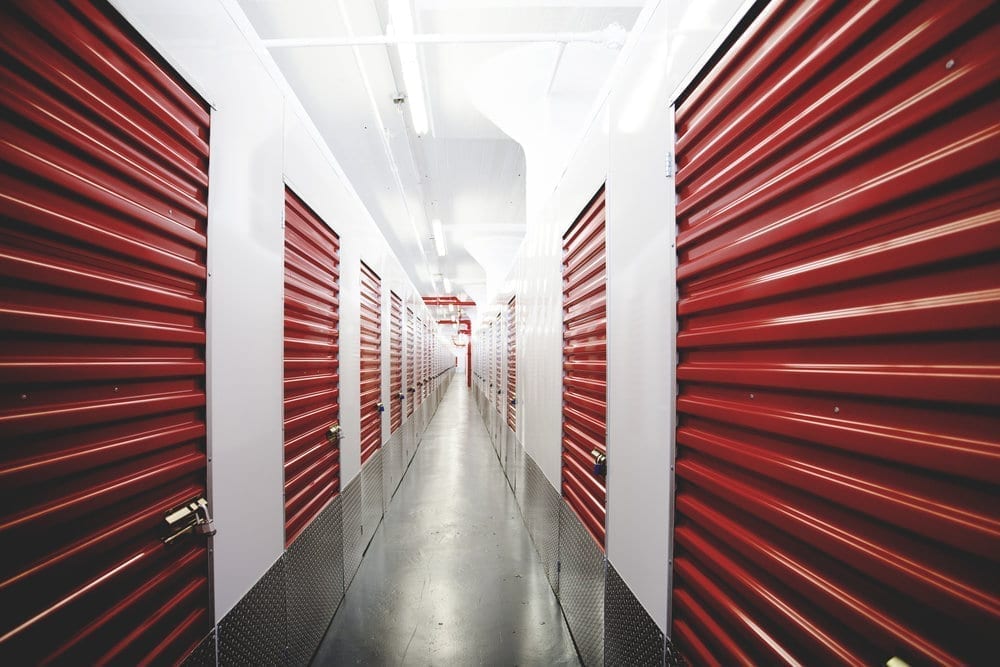
Moishe’s builds around these same layers at its NYC facilities in the Bronx, Brooklyn, Manhattan, and Queens: 24/7 video surveillance, motion detectors, on-site security staff, and fire-prevention systems, with every unit secured by its own lock. The point of layering is redundancy. A camera might miss a face, but the access log, the alarm, and a patrolling guard each get another chance to stop or document the same intruder. Climate control belongs on the list too, since water and mold ruin belongings as surely as theft does; that’s the role of climate-controlled storage, which matters most for things like a vinyl record collection or fine art. You can see how the layers fit together at Moishe’s own Bronx facility or on Moishe’s security page.
Locks: Your Last Line of Defense
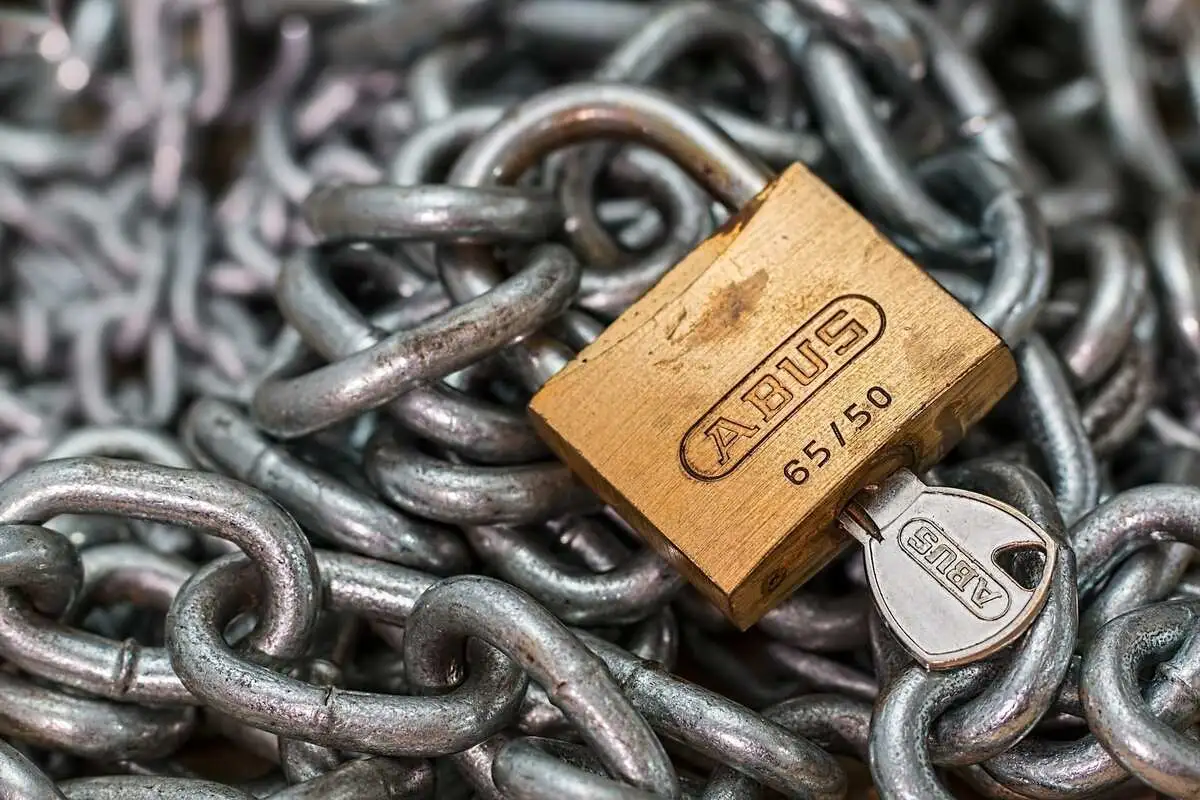
The lock is the one piece of storage unit security you fully control, and the most common way thieves get into a unit is the simplest: cutting the lock with bolt cutters (Extra Space Storage). The lock you choose matters more than most renters realize.
A disc lock is the go-to for most units. Its shackle is mostly hidden inside a round steel body, leaving little for bolt cutters to grab; a 2¾- or 3-inch model resists tampering and shrugs off weather. A solid option like the ABUS 24/70 runs around $28. A hidden-shackle padlock is a step up: a hardened outer casing conceals the shackle almost entirely. Some facilities also offer a built-in cylinder lock set into the unit door itself, which has no exposed shackle at all since it isn’t a padlock, but that’s a facility fixture you can’t buy or bring yourself, and not every facility offers it (see our full guide to storage unit locks for more on the difference). Skip the cheap brass padlock from the hardware bin. Its exposed shackle is exactly what bolt cutters are built for. Pair a quality lock with a facility’s other security layers and you’ve closed the easiest path in.
Does Insurance Cover a Storage Break-In?
Usually only partly, and the limits surprise people. Standard homeowners and renters policies typically extend to personal property kept off-premises, including a storage unit, but coverage is commonly capped at around 10% of your personal-property limit (Insurance Information Institute; Experian).
In practice, $50,000 of contents coverage might leave only about $5,000 for items in storage, and your deductible still applies. Theft, vandalism, and weather damage are generally covered, but a theft claim often requires proof of forced entry, which is another reason a facility’s cameras and alarms matter at claim time as much as for prevention. Be cautious with the cheap insurance offered at the counter; those policies are often narrow and cap payouts low. Even with secure storage, if you’re storing anything valuable, confirm your off-premises limit and consider scheduling high-value items separately. Photograph your unit’s contents at move-in and keep receipts for anything pricey, since a claim moves faster when you can prove what was there. This is general guidance, not insurance advice; check your specific policy before you rely on it.
9 Questions to Ask Before You Book
The fastest way to judge a secure storage facility is to ask pointed questions and watch how confidently the staff answer. A well-run operation will have clear answers; a weak one will get vague. Run through this list before you sign:
- Are the cameras recording 24/7, and do they cover hallways, elevators, and parking?
- How does access control work, a unique code or app, and is every entry logged?
- Are units individually alarmed, or is the gate the only barrier?
- Is there on-site staff, and during what hours?
- How is the perimeter fenced and lit after dark?
- How do you verify a renter’s identity, given the rise in fake-ID rentals?
- What lock do you recommend or require, and do you offer a built-in cylinder lock on the door as an option?
- Is the facility clean, pest-controlled, and climate-controlled?
- What insurance is required, and can I use my own homeowners or renters policy?
If the answers line up with the layered approach above, you’re looking at genuinely secure storage. If they don’t, keep shopping.
Frequently Asked Questions
Is self storage safe?
A well-secured facility is very safe, but safety varies widely by location. Look for 24/7 video surveillance, gated access with personal codes, on-site staff, perimeter fencing, and good lighting. Break-ins have risen industry-wide, so the systems behind the word “secure” matter more than the word itself. A strong disc lock or hidden-shackle padlock on your unit adds the final layer.
How often do storage units get broken into?
More often than the industry would like. A 2024 survey by Modern Storage Media and Janus International found 79% of operators reported no year-over-year drop in break-ins, and many facilities deal with multiple incidents. Exact national figures are hard to pin down because reporting isn’t standardized, but break-ins are widely considered the biggest threat to the sector right now.
What’s the best lock for a storage unit?
A disc lock is the best choice for most units. Its shackle is shielded inside a round steel body, so bolt cutters, the most common break-in tool, can’t get a grip. A 2¾- or 3-inch model works well. A hidden-shackle padlock is similarly secure because almost nothing is exposed. Some facilities also offer a built-in cylinder lock on the door itself, but that’s a facility fixture, not something you buy yourself. Avoid cheap padlocks with exposed shackles.
Does insurance cover stolen items from a storage unit?
Often partly. Homeowners and renters policies usually cover off-premises property, but commonly cap it near 10% of your personal-property limit, and your deductible applies. Theft claims may require proof of forced entry. Facility-offered insurance tends to be limited, so review it carefully and consider using your own policy or scheduling valuables separately.
What security features should a storage facility have?
At minimum: 24/7 video surveillance covering all access points, gated access with unique entry codes, individually alarmed or locked units, perimeter fencing, bright lighting, and on-site staff. Climate control protects against water and mold. The strongest secure storage facilities layer these together so defeating one still leaves a thief facing the rest.
Security You Can Verify
The best storage unit security comes from systems you can confirm, not promises on a landing page:
- Demand layered security, not slogans. Cameras, access control, alarms, fencing, lighting, and staff working together.
- Bring a real lock. A disc lock or hidden-shackle padlock defeats the bolt cutters behind most break-ins.
- Know your insurance limits. Off-premises coverage is often capped near 10%, so confirm and schedule valuables if needed.
- Ask the nine questions and judge the facility by how clearly staff answer.
- Choose climate control when water and mold are a risk, since theft isn’t the only threat, especially for wine, art, or record collections.
Want secure storage you can actually inspect, not just take on faith? Explore Moishe’s secure self storage in NYC, check current move-in specials, or call (800) 536-6564. More than 30 years in business, four NYC boroughs, 24/7 surveillance, on-site staff, individually locked units, and free pickup across the city: your belongings are protected from the moment they leave your door, by a company that was doing this before “secure storage” became a marketing checklist.