
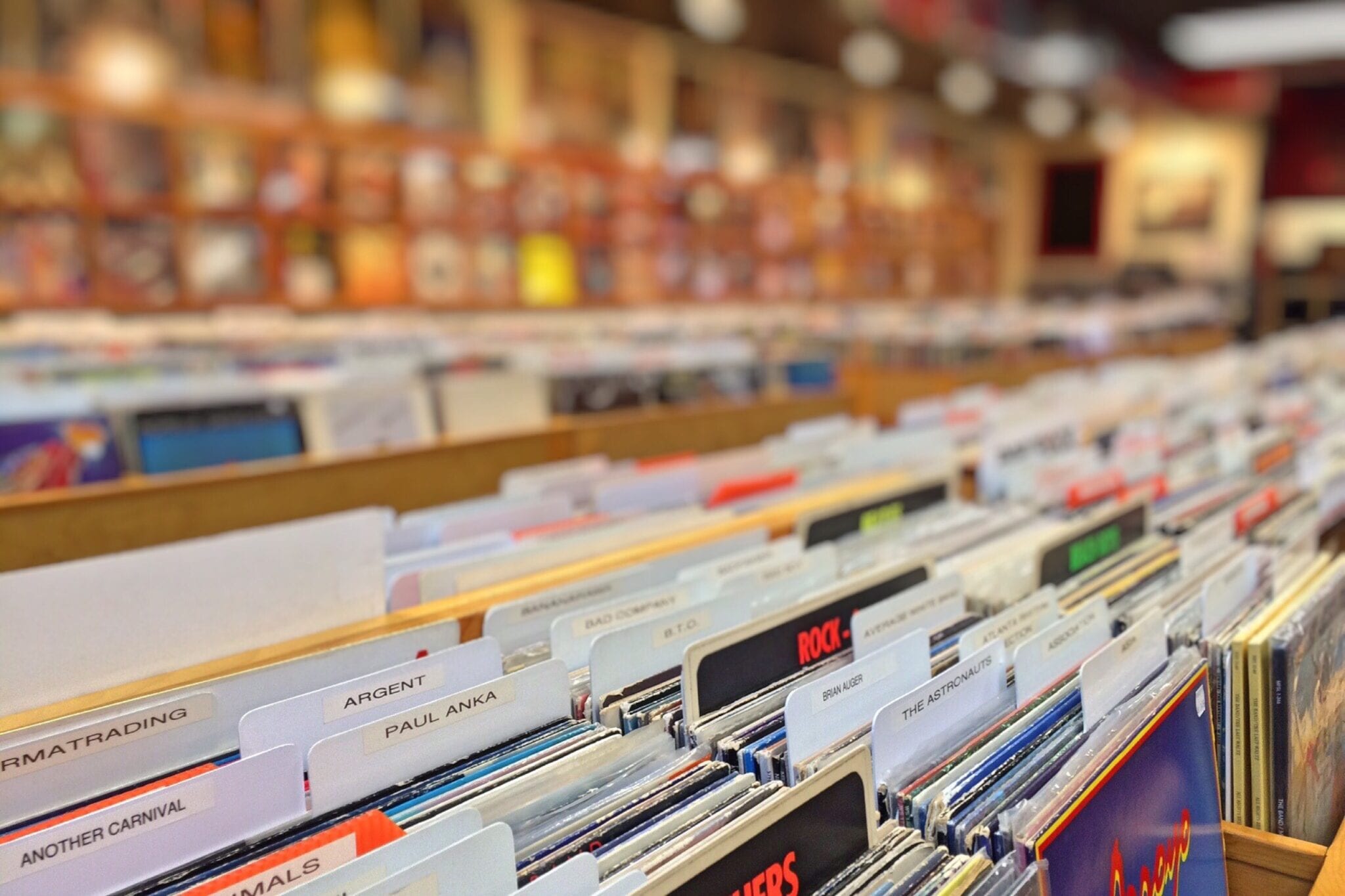
Vinyl records last longest stored upright, at 65 to 70°F, in humidity between 45 and 55 percent, and away from direct light (What Hi-Fi). Get any one of those wrong for long enough and a record warps, molds, or fades before it ever sounds bad. In a New York apartment, where radiators run hot, summers go without air conditioning, and storage often means a closet or a basement, hitting all three at once is harder than it sounds.
What Temperature and Humidity Are Best for Vinyl Records?
Keep records between 65 and 70°F and between 45 and 55 percent humidity. Above roughly 85°F, PVC starts to soften and records warp under their own weight if stacked or leaned; below that range, cold makes the vinyl brittle and prone to cracking if handled roughly. High humidity encourages mold on both the record and the sleeve, while very low humidity builds up static that pulls in dust. A basic digital thermometer/hygrometer, the kind sold for reptile tanks or wine fridges, is enough to confirm a space is actually holding steady rather than swinging with the seasons.
Why Does NYC Make Vinyl Storage Harder?
Prewar buildings run steam heat that many tenants can’t control, and a record shelf against an interior wall near a radiator can sit well above safe temperature all winter. Apartments without central air swing the other direction in July and August, especially top-floor units. Basement storage, common in brownstones and older buildings, adds humidity and flood risk on top of the temperature swings. None of this is a reason to panic about a small collection on a bookshelf, but it does mean the “just find a closet” advice that works in a house with central HVAC doesn’t always hold up in a five-story walk-up.
Should Records Be Stored Upright or Flat?
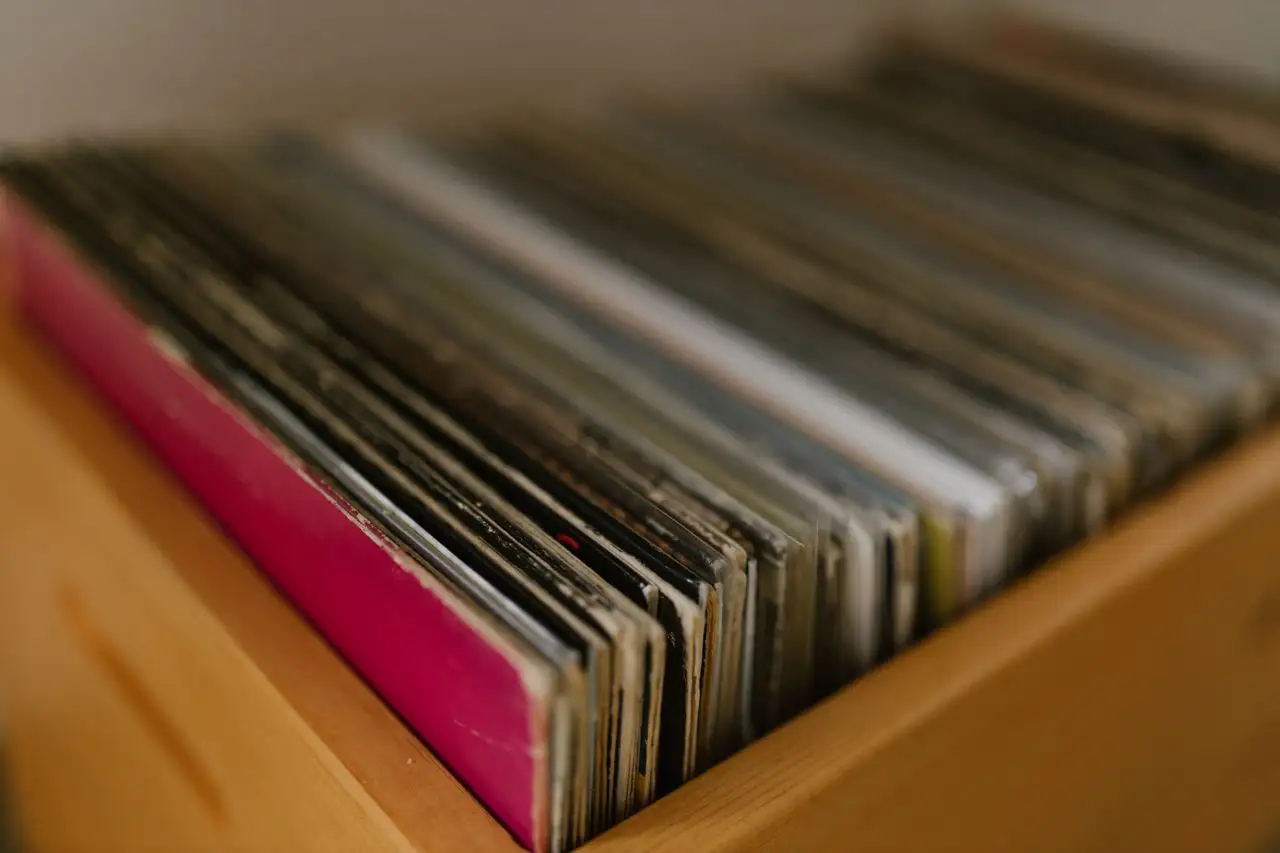
Always upright, never flat and never stacked. A record lying flat, especially with anything stacked on top, will warp permanently, and warping changes how the needle tracks the groove even if the record still looks fine. Store records in crates, cube shelving, or a cabinet built for the purpose, with dividers every 15 to 20 records so the weight doesn’t lean and put pressure on the ones at the end of a row (Fluance).
What Shelving Actually Holds Up a Record Collection?
A shelf loaded with records carries real weight, vinyl runs close to 35 pounds per foot of shelf (Discogs), and a shelf that sags under that weight puts pressure on the records leaning against the low end. Wood shelving holds up better than metal and cuts down on the static that attracts dust. Keep the shelf or cabinet a few feet from speakers, a washer, or a dryer if you can. In a lot of NYC apartments the turntable, the record shelf, and a stacked washer/dryer share one small room, and the vibration from a spin cycle travels through a shared wall or floor more than people expect.
What Kind of Sleeves Protect Records Best?
Plain paper sleeves break down over time and can leave paper fibers embedded in the grooves. A poly-lined inner sleeve, paper on the outside for stiffness and a plastic lining on the inside, protects the record surface without the static buildup that plain plastic sleeves cause (Discogs). Replace worn or torn sleeves before they damage the record they’re supposed to protect, not after.
How Does Light Exposure Damage Records?
Direct and UV light can visibly warp or fade a record and its cover in a matter of minutes, not weeks. Records stored near a window, even indirect summer light through sheer curtains, take more damage over a year than most collectors expect. A closed cabinet, an interior closet, or a shelf out of the sun’s path solves this without any special equipment.
How Often Should You Clean Vinyl Records?
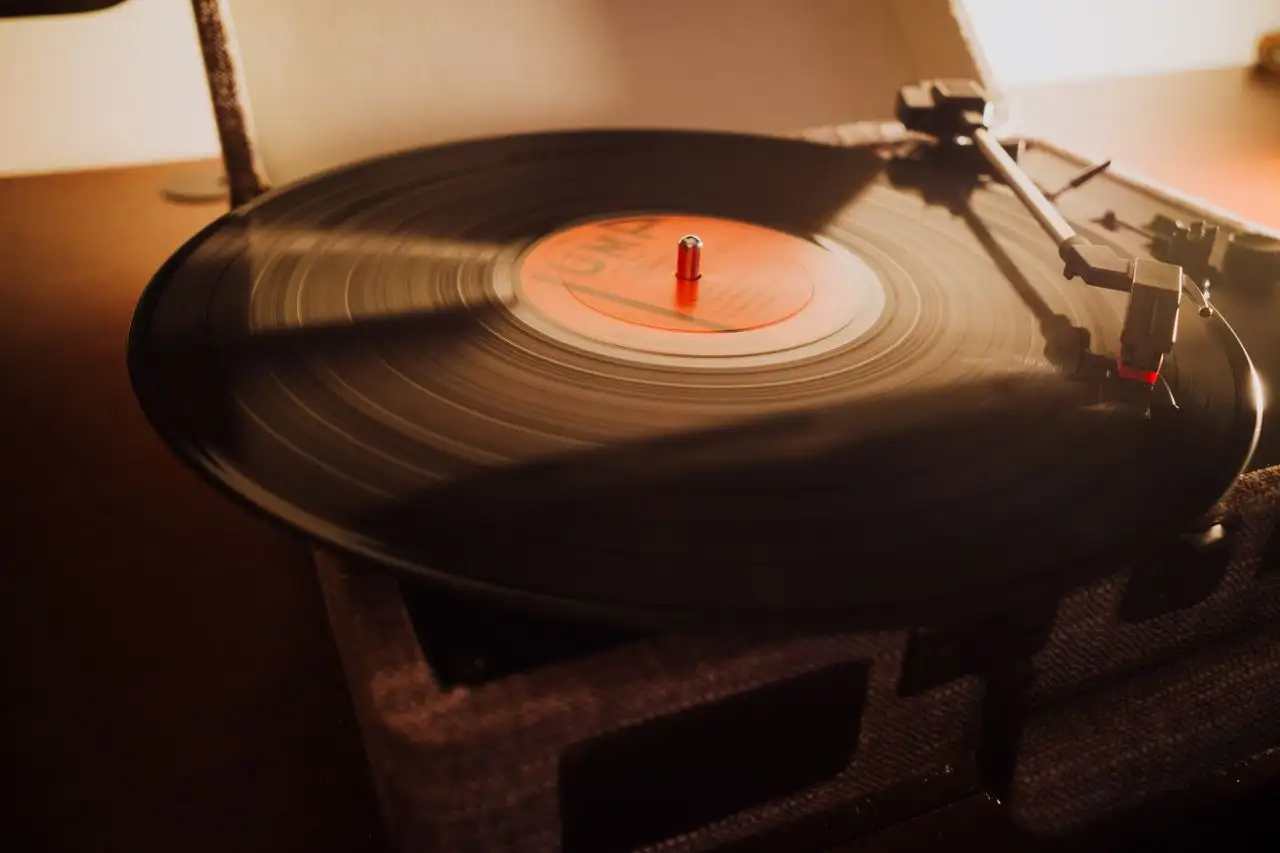
Brush a record with a carbon-fiber or microfiber cleaning brush before it goes on the turntable and again before it goes back in its sleeve. Wash and dry your hands before handling anything, since hand oil attracts dust and, over time, mold, and hold records by the edge and the label, never the grooves. For anything sitting in storage rather than regular rotation, a check and a light clean every six months catches dust buildup before it works into the grooves.
When Should You Move a Collection to Storage?
A crate or two fits in any apartment, but a few hundred records outgrows most NYC closets fast, and that’s usually when people start improvising with basements, under-bed bins, or a corner that isn’t climate-controlled at all. A climate-controlled storage unit holds temperature and humidity steady year-round, which is the one thing an apartment radiator or a non-AC bedroom can’t promise. A vinyl collection doesn’t need a huge footprint, so the room size calculator is a fast way to check what size actually fits a few crates versus a few hundred records.
What Does Moishe’s Offer for Vinyl Collectors?
Climate-controlled units hold a steady temperature and humidity level instead of swinging with the seasons the way an apartment does, and every facility runs 24-hour video surveillance with guard patrols. If a collection is moving alongside the rest of an apartment, Moishe’s Moving Systems can handle both in one trip instead of two. The same climate-control approach applies to other things that don’t tolerate temperature swings, like the wine collections and fine art Moishe’s also stores, so the standards aren’t specific to records, they’re the baseline for anything sensitive to heat, humidity, or light.
Frequently Asked Questions
What temperature should vinyl records be stored at?
Between 65 and 70°F. Records start softening and warping under their own weight above about 85°F, while cold temperatures make vinyl brittle and more likely to crack if handled.
Can vinyl records be stored in a basement?
Only if the basement stays dry and temperature-stable. Basements in older NYC buildings often swing in humidity and carry flood risk, both of which damage records and sleeves faster than an interior closet would.
How do you know if a record has warped from heat?
It won’t lie flat on a turntable, or it will visibly dish or wave when held up to a light. Even a slight warp can cause the needle to skip or the pitch to waver during playback.
Are plastic record sleeves safe for long-term storage?
Poly-lined inner sleeves, paper on the outside with a plastic lining inside, are safe and standard for long-term storage. Plain plastic sleeves without a paper layer can build up static and attract dust.
Is climate-controlled storage necessary for a vinyl collection?
It’s necessary once a collection outgrows the parts of an apartment that stay temperature-stable year-round. For a crate or two on an interior shelf, it’s optional; for a few hundred records, a climate-controlled unit removes the guesswork.
How often should vinyl records be cleaned?
Give them a quick brush before and after every play. For records that stay in storage rather than regular rotation, check and clean them about every six months so dust doesn’t work into the grooves before you notice it.
Ready to move a collection into climate-controlled storage? Reserve a unit or check the FAQs first.