
Small studio apartment living in NYC is less about square footage and more about how ruthlessly you organize what little of it you have. The average Manhattan studio runs about 481 square feet, and plenty rent for less. This guide breaks down the layout moves, furniture choices, and storage tactics that make a real NYC studio comfortable, plus where to put the stuff that doesn’t fit no matter how you arrange the room.
Quick answer: Living comfortably in a small NYC studio comes down to three moves: zone the room into distinct areas with furniture or a curtain instead of leaving it one undefined space, choose furniture that also stores things (a bed with drawers, a storage ottoman), and move anything you don’t use monthly into off-site storage instead of a closet you’re paying rent to fill.
How Small Is a “Small” Studio in NYC, Really?
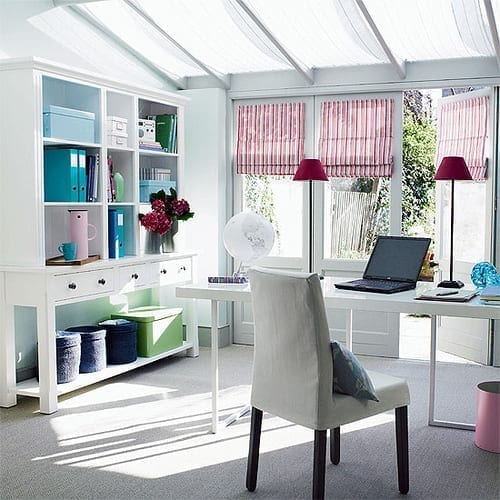
A small NYC studio typically runs 250 to 500 square feet, well under the 440-square-foot national studio average and far below the city’s overall 779-square-foot average apartment size. Manhattan studios average 481 square feet and rent for about $4,103 a month, per 2026 rent data, so paying premium rent for minimal space is the norm here, not the exception.
A studio apartment is a single-room rental that combines the living room, bedroom, and kitchen into one open space, usually with a separate bathroom, which is why NYC studios pack so much function into so little floor area. Some are true one-room boxes; others are alcove studios, where a partial wall or recessed nook creates a separate sleeping area without a full second room. If you have a choice between the two, the alcove version is worth paying slightly more for. It solves half your zoning problem before you even move in.
Zoning First: Splitting One Room Into Different Areas
Zoning means visually dividing a studio into a sleeping area, a living area, and sometimes a work area, even without a wall between them. A bookshelf, a curtain rod, a rug, or a sofa placed back-to-the-room can mark that boundary. Once the eye reads two zones instead of one, the apartment feels bigger and functions more like separate rooms.
The bed is usually the anchor. Push it against the far wall, or into an alcove if you have one, and build the living area around what’s left. A tall bookshelf doubles as a room divider and storage. A curtain on a ceiling-mounted track blocks light and sound between zones without touching the walls, useful if you’re renting and can’t install anything permanent. Keep a clear path from the door to the window: furniture blocking that sightline is what makes a small room feel like a maze.
Furniture That Earns Its Square Footage
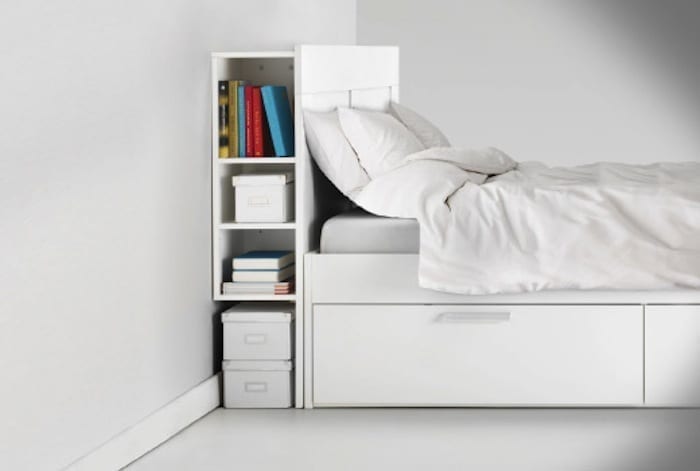
In a studio, every piece of furniture should do at least two jobs. A bed with built-in drawers replaces a dresser. A storage ottoman is a coffee table, extra seating, and a place to keep linens. A daybed or trundle turns a living room into a guest room without a fold-out couch eating floor space every night.
Look for furniture you can open, pull out, or fold flat rather than furniture you just walk around. A drop-leaf or wall-mounted table seats four when you need it and disappears against the wall when you don’t. Floating shelves and wall-mounted desks free up the floor entirely, which matters more in 300 square feet than in 900. Murphy beds work, but ordering one can mean a six-to-eight-week lead time and a delivery crew that has to fit through your hallway, so measure the path before you commit to one.
Vertical Storage: The Space You’re Not Using
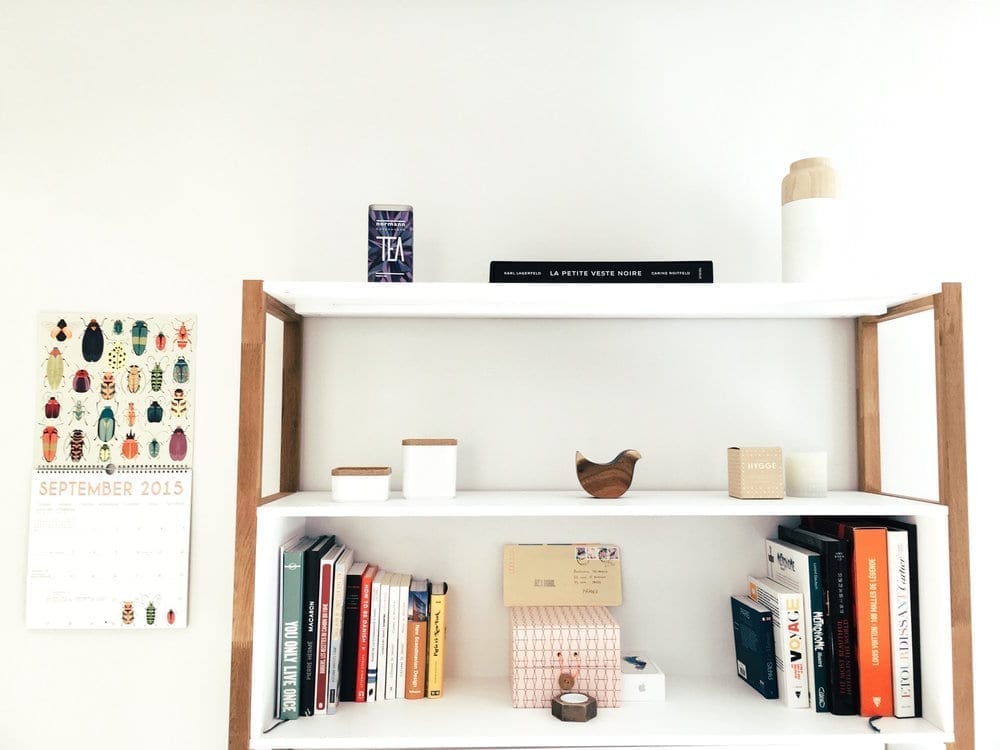
Most studios waste the upper two-thirds of every wall. Floor-to-ceiling shelving, stacked bins on a closet’s top shelf, and bed risers that lift a frame a few extra inches all convert unused air into usable storage, without taking a single square foot of floor space away from you.
Bed risers alone can free up enough clearance for flat storage bins underneath. Over-the-door organizers work in closets, bathrooms, and even a kitchen cabinet. A tension-rod shelf inside a closet doubles the hanging space without a single tool, and none of it requires a renovation.
What to Store Off-Site (and Why It Frees Up the Room)
Off-season clothing, holiday decorations, sports gear, extra furniture, and anything you touch less than once a month are the first things to move out of a small studio. In NYC, that closet space is worth roughly $6 to $8 per square foot in rent each month, while a small storage unit runs closer to $2 to $3.60.
A 5×5 unit holds about what a large closet does, and free pickup means you don’t need a car to make the swap. Moishe’s size guide breaks down what fits in each unit, and affordable NYC storage starts as low as $49 a month for a 5×5. For the full math on why this beats renting more apartment, see the storage-versus-rent breakdown.
Small Details That Make It Feel Bigger
Light, color, and sightlines do as much work as furniture choice. Mirrors placed across from a window bounce light deeper into the room, light-colored walls and furniture reduce visual weight, and keeping floors clear of anything but furniture legs makes a room read larger than its actual square footage.
Placing a mirror directly across from a window doubles the room’s perceived light source, according to design outlet Homes & Gardens. Curtains hung close to the ceiling make it feel taller. Several small lamps beat one overhead fixture in a room that shifts between “bedroom” and “living room” moods. And the cheapest hack still works here: the less you keep in the room, the bigger it feels, which is the whole argument for storing what you don’t use elsewhere.
Frequently Asked Questions
How do you make a small NYC studio feel bigger?
Zone the room into distinct areas with furniture or a curtain instead of leaving it one undefined space, hang mirrors across from windows to bounce light, and clear the floor of everything except furniture legs. Storing off-season items and rarely used gear elsewhere also removes visual clutter, which does more for a room’s perceived size than any single piece of furniture.
What furniture works best in a studio apartment?
Furniture that does two jobs: a bed with built-in drawers, a storage ottoman that doubles as a coffee table, a drop-leaf table that folds flat, and wall-mounted shelving or desks that don’t take up floor space. Avoid large sectional sofas and bulky dressers, which eat the square footage a studio can’t spare.
Is 400 square feet enough to live in NYC?
Yes, and it’s close to typical. The average NYC studio runs 250 to 500 square feet, and the national studio average is 440 square feet. Comfort at that size comes down to zoning the room, multi-functional furniture, and storing off-season items elsewhere instead of keeping everything within four walls.
How do you separate the bedroom and living room in a studio?
Use a visual divider rather than a wall: a tall bookshelf, a curtain on a ceiling track, or simply positioning a sofa with its back facing the bed. Alcove studios have a head start since the sleeping area is already partially recessed. The goal is a clear sightline break, not a full second room.
Where do you put off-season stuff in a tiny apartment?
Off-site storage is usually the answer once under-bed bins and closet shelving are full. A small storage unit costs a fraction of what the equivalent closet space adds to NYC rent, and free pickup means moving boxes out doesn’t require a car.
Live Bigger Than Your Square Footage
Small studio apartment living in NYC comes down to a handful of repeatable choices:
- Zone the room with furniture or a curtain, not a renovation
- Choose furniture that stores something, not just furniture that fits
- Use vertical space before you assume you’re out of room
- Move anything you use less than monthly off-site
- Keep the floor clear and light bouncing toward the windows
None of this requires a bigger apartment, just a smaller footprint for what you don’t use daily. When you’re ready to move the overflow out, Moishe’s Self Storage offers free pickup and units from $49 a month, so your 400 square feet can go back to being a home.