

The 10 summer items New Yorkers should put in storage this fall are window AC units, bikes, folding and beach chairs, patio furniture, grills, beach and pool gear, camping gear, gardening tools, summer sports equipment, and warm-weather clothes. In a small apartment, those ten categories can eat a whole closet plus the floor space in front of it, and none of them get used again until May.
Quick answer: Clean and fully dry everything before you store it, since trapped moisture is what causes mold, rust and mildew over the winter. Store AC units upright, take batteries out of anything that runs on them, never store a propane tank indoors, and keep fabric items (cushions, sleeping bags, clothes) in breathable containers rather than sealed plastic bags.
Why does it make sense to store summer gear in NYC?
Because it sits unused for eight months. New York’s official heat season runs from October 1 to May 31, and that’s a decent proxy for how long your AC, beach chairs and bike rack sit idle. In a one-bedroom in Astoria or a studio in Washington Heights, eight months of a window unit wedged behind the couch is eight months of space you’re paying rent on and not using.
There’s also the radiator problem. Once the heat comes on, a closet next to a steam riser gets warm and dry, while a basement storage cage in a Brooklyn brownstone gets cold and damp. Neither is kind to rubber, fabric or electronics, which is why a few of the items below do better somewhere with steady conditions.
The 10 Summer Items to Put in Storage
1. Window and portable air conditioners
Take the window unit out at the end of the season if you can. ENERGY STAR recommends removing room AC units at the end of the cooling season to cut heat loss, or using a properly sized cover if removal isn’t possible. A unit left in the window all winter is basically a drafty hole in your wall.
Before storing it, unplug it, clean or rinse the filter, and let any water in the base pan drain and dry out. Then keep it upright. GE Appliances warns that storing a window AC on its side or back can damage the compressor, and if it does end up sideways for more than a day, it should sit upright and unplugged for 24 hours before you run it again. The original box is ideal. If you tossed it, wrap the unit in a moving blanket and don’t stack anything heavy on top. Portable ACs and box fans follow the same rules: clean, dry, upright, covered.
When May comes around, put it back in properly. NYC311’s installation guidelines say window units must be supported by metal brackets or angles fastened to the building, not propped on wood blocks or bricks.
2. Bikes (and e-bikes)

Clean the bike, dry it, and lube the chain before it goes into storage. REI’s winter prep guide points out that water rusts both components and frames, and suggests checking the tire manufacturer’s recommended storage pressure. Hanging the bike or keeping it on a stand stops the tires from developing flat spots.
E-bikes and e-scooters need one extra step: the battery. The FDNY’s lithium-ion battery safety tips say to keep batteries at room temperature, out of direct sunlight, and away from anything flammable. Follow the manufacturer’s instructions for storage charge, and ask any storage facility about its battery policy before you bring an e-bike in. For more on keeping a bike out of a crowded hallway, see our guide to bike storage in New York.
3. Folding chairs, beach chairs and umbrellas
Folding chairs are easy to store and easy to ruin. Shake out the sand, wipe down the frames, and let the fabric dry completely before folding, since damp fabric folded tight for months is how you get mildew stains. The EPA notes that wet materials dried within 24 to 48 hours usually won’t grow mold, so don’t pack chairs straight from a rainy last weekend at Rockaway. If the chair is still damp on Sunday, it isn’t ready on Monday.
Stand folding chairs on end against a wall instead of stacking them flat, and close beach umbrellas fully with the strap fastened so the ribs don’t bend. A light spray of silicone lubricant on the hinges keeps them from seizing up by spring.
4. Patio, balcony and rooftop furniture
Bring it in before the first real cold snap. Clean the frames, tighten loose bolts, and take apart anything that comes apart, like table legs and umbrella bases. Store cushions separately from the frames in breathable fabric bags or bins with the lid cracked, never sealed in plastic while there’s any chance of moisture inside.
Disassembled patio sets take up surprisingly little room, and protecting a teak table or a set of outdoor cushions from a winter on an open terrace in Long Island City adds years to their life. We cover the full process in our guide to storing outdoor furniture in New York.
5. Grills and grilling gear
Clean the grates, empty the grease tray, and brush out the firebox before storing a grill, since leftover grease attracts pests and turns rancid. Wipe the outside down and cover it.
The propane tank is the one thing that should never come along. The U.S. Consumer Product Safety Commission says never to store a full propane container indoors, and storage facilities generally prohibit flammable gas and fuel. Disconnect the tank, keep it upright, and store or exchange it outdoors following your building’s rules. Grill tools, covers and charcoal-free accessories can go in a labeled bin with the grill.
6. Beach and pool gear
Coolers, inflatables, boogie boards, beach towels and kiddie pools all have the same enemy: water you can’t see. Rinse off salt and chlorine, then let everything dry for a full day before packing it. Prop coolers open while they dry and store them with the lid slightly ajar so they don’t hold odors.
Deflate pool floats completely, dust them lightly with cornstarch or talc so the vinyl doesn’t stick to itself, and fold them loosely. Beach towels should be washed and fully dry before they go in a bin, otherwise you’ll open it in June to a smell no detergent fixes.
7. Camping gear
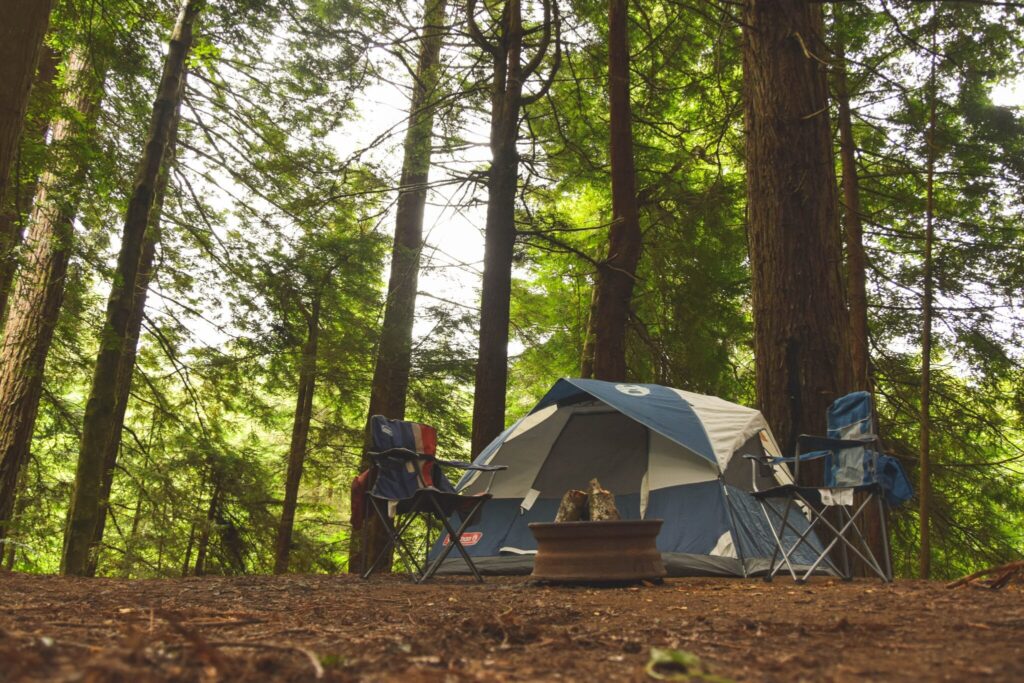
Dry tents and sleeping bags before anything else. REI’s end-of-summer gear care guide notes that a damp tent stashed in a stuff sack promotes mold and mildew, and recommends setting it up in a dry space for a day or two first. Sleeping bags shouldn’t stay compressed: take them out of the stuff sack and store them loosely in an oversized mesh or cotton bag so the insulation keeps its loft.
Clean camp stoves and cookware, and keep fuel canisters out of the bin entirely. Our guide on how to store camping gear in self storage walks through containers, labeling and keeping small parts together.
8. Gardening tools and planters
Whether you garden on a fire escape in the Bronx or a backyard in Bay Ridge, the tools need the same care. Scrape off dirt, dry the metal, and wipe blades with a little oil to stop rust. Sharpen pruners now, so they’re ready when spring comes.
Empty and rinse pots before storing them, especially terracotta, which can crack when wet soil freezes inside it. Hoses should be drained, coiled loosely and kept off the floor. Bag up leftover soil and fertilizer tightly so they don’t attract pests.
9. Summer sports gear
Golf clubs, tennis rackets, skateboards, rollerblades, inflatable paddleboards and soccer goals all fall into this bucket. Wipe grips and clean off dirt, put headcovers back on clubs, and let paddleboards and wetsuits dry fully before folding or rolling them.
Keep this gear somewhere with steady temperatures rather than the trunk of a car or an uninsulated shed, since repeated heat and cold cycles are hard on rubber grips, glue and inflatable seams. Store rackets in their covers and balls in a bin so they don’t roll under everything else.
10. Summer clothes, swimwear and sandals
Wash everything before storing it, because body oils and sunscreen stains set over time and attract moths. Fold summer clothes into breathable bins or fabric boxes, add a few cedar blocks, and label each bin by person or category.
Swimsuits should be rinsed in cold water and dried flat. Sandals and canvas sneakers need to be clean and dry, with a silica gel packet in the box. If you have shoes worth protecting, our guide to storing sneakers long term explains why heat and humidity break down soles. And once the summer clothes are out, the closet you get back is a good excuse to try a few of these small closet organization ideas.
Do summer items need climate-controlled storage?
Some do. Window AC units, e-bikes, electronics, sports gear with rubber or glue, and anything made of fabric or leather all hold up better in climate-controlled storage, which keeps temperature and humidity steady instead of swinging with the seasons. A climate-controlled unit is simply a storage space that’s heated and cooled to stay within a set range year-round.
Metal folding chairs, plastic planters and hard-shell coolers are more forgiving. If you’re unsure about something specific, our list of items that need climate-controlled storage covers the usual suspects.
How much storage space do summer items take up?
Less than most people expect, once things are folded, boxed and stacked. A couple of window units, a set of folding chairs and a few bins of clothes and beach gear can often fit in a small unit like a 5×5. Add a bike, a disassembled patio set and a grill, and you’re likely looking at something closer to a 5×10.
Stacking matters as much as size. Heavy, boxed items go on the bottom, bins you might need mid-winter go near the front, and bikes hang or stand against the back wall. For specifics, our storage size guide shows what fits in each unit, and these tips on how to organize a storage unit help you use every foot of it.
Why store your summer gear with Moishe’s?
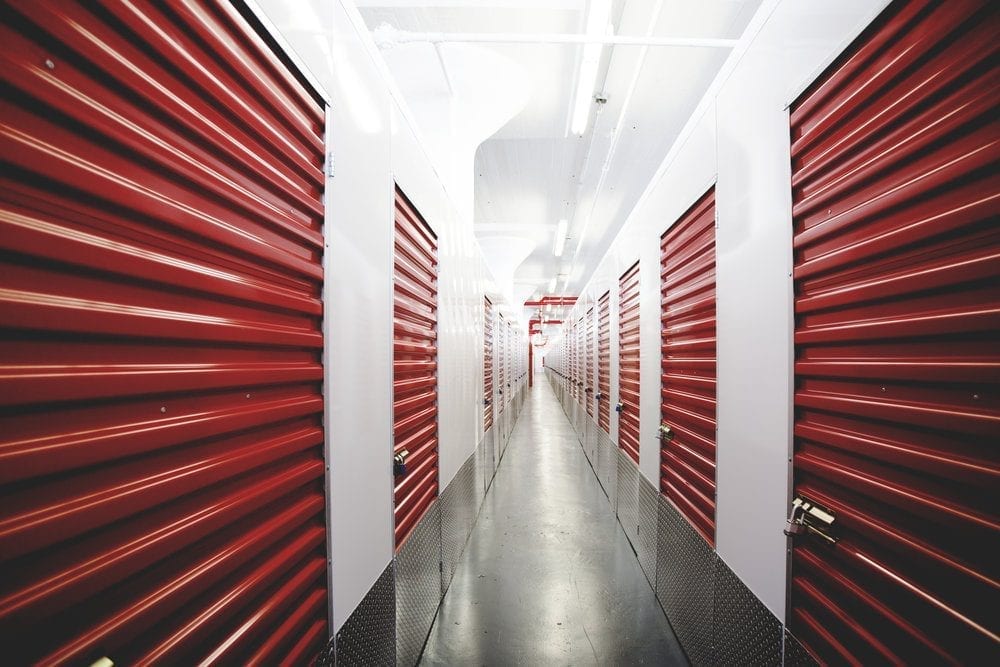
The checklist above asks for a few things: steady conditions for the sensitive stuff, a secure place for bikes and electronics, and a way to get bulky items there without a car. Here’s how Moishe’s covers each one.
- Steady conditions – Moishe’s offers climate-controlled units, and the facilities are built to hold up against New York weather.
- Security – Units are protected by CCTV and guard patrols, which matters when you’re leaving an expensive bike or a new AC behind for months.
- Getting it there – Pickup is free anywhere in the five boroughs when you rent a unit up to 5×10 for three months or more. An October-to-May summer gear stash clears the three months easily, and most summer gear fits inside that size range. Moishe’s trucks are built for narrow NYC streets, so a fourth-floor walk-up in Park Slope isn’t a problem.
- The right size – There are 20+ unit sizes plus custom spaces, so you’re not paying for a 10×10 to hold three bins and a bike.
- A track record – Moishe’s is family-owned and has been storing New Yorkers’ things for more than 30 years, and the average customer stays four years or longer.
Facilities are in The Bronx (840 E 134th St) and Queens (833 40th Ave, Long Island City). Check current specials before you book, then schedule a pickup and get your apartment back for the winter.
Frequently Asked Questions
What summer items should I put in storage for the winter?
The most common summer items to store are window and portable AC units, bikes, folding and beach chairs, patio furniture, grills, beach and pool gear, camping gear, gardening tools, summer sports equipment, and warm-weather clothes and shoes. Anything you won’t use between October and May and that takes up real floor or closet space is a good candidate.
How should I store a window air conditioner for the winter?
Unplug it, clean the filter, let any water drain and dry, then store it upright, ideally in its original box. Storing a window AC on its side or back can damage the compressor. If it was tipped over, let it stand upright and unplugged for 24 hours before turning it back on.
Can I store an e-bike in a storage unit?
Often yes, but ask the facility about its battery policy first. Many people store the bike and keep the lithium-ion battery at home at room temperature, away from direct sunlight and flammable materials, following the FDNY’s safety guidance and the manufacturer’s storage instructions.
Can I store a grill in a storage unit?
You can usually store a clean grill, but never the propane tank. The CPSC says not to store full propane containers indoors, and storage facilities generally prohibit flammable gas and fuel. Disconnect the tank, empty the grease tray, and clean the grates before storing.
When should I put summer items in storage in NYC?
Late September through October is the sweet spot. New York’s heat season starts October 1, and most summer gear goes unused from then until Memorial Day. Storing it early also means you can dry everything properly before the weather turns cold and damp.
Do I need climate-controlled storage for summer items?
Not for everything. Electronics like AC units, e-bikes, leather, fabric, and sports gear with rubber or glue benefit from climate control because temperature and humidity swings damage them over time. Metal chairs, plastic planters and hard coolers do fine in standard storage.
Get Your Space Back Until Memorial Day
Putting summer gear away comes down to a few habits:
- Clean and dry everything before it goes in a box or bin
- Store AC units upright, and never with water in the base pan
- Keep propane and fuel out, and treat lithium-ion batteries with care
- Use breathable containers for fabric, and hang or stand bikes
- Put the sensitive stuff in climate-controlled storage
Do that, and everything comes out next May looking the way it went in. If your apartment doesn’t have the room for eight months of summer gear, Moishe’s climate-controlled storage units and free pickup make it easy to clear it out this fall.