
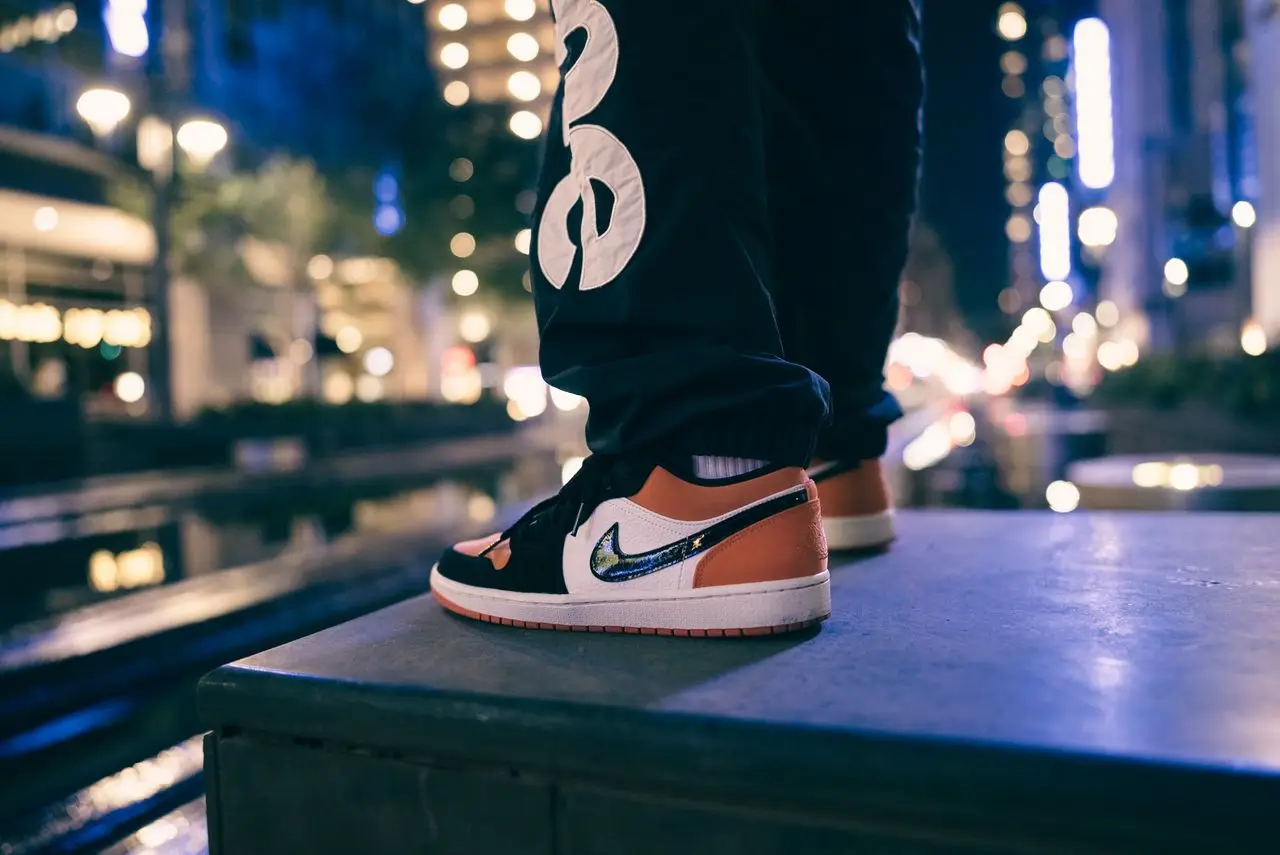
 Knowing how to store sneakers long term is the difference between opening a box in five years to a pair that still looks new and opening it to soles that crumble into powder. Most of that damage happens quietly, in storage, long before anyone notices a problem. This guide covers why sneakers yellow and soles rot in the first place, and the specific habits that actually slow it down.
Quick answer: To store sneakers long term, keep them clean, out of direct sunlight, and in a cool, dry, ventilated space rather than a sealed plastic bag. Use silica gel packets to manage humidity, avoid stacking boxes under pressure, and wear high-value pairs occasionally instead of leaving them untouched for years, since moderate flexing actually slows sole breakdown.
Why Sneakers Yellow and Soles Crumble
 Two separate chemical reactions cause most sneaker damage: oxidation, which yellows rubber and EVA foam, and hydrolysis, which crumbles polyurethane midsoles. Both start the moment a shoe is made and continue slowly in storage, which is why an untouched pair can come out of a box looking worse than one that’s been worn.
Hydrolysis is a chemical reaction in which moisture in the air breaks down the molecular bonds in polyurethane foam, which is why PU midsoles crumble even in shoes that were never worn. The reaction begins at the time of manufacture and worsens in warm, humid spaces like garages or basements. Rubber soles face a different threat: UV light and oxygen react with the material over time, causing yellowing, hardening, and the loss of plasticizers that keep rubber flexible. EVA foam midsoles are also vulnerable to heat and UV, showing up as yellowing or a flattened, unresponsive feel once the foam’s compression set is gone.
The Storage Habits That Actually Slow the Damage
Cool, dry, dark, and ventilated beats every other storage condition for sneakers. Direct sunlight speeds up oxidation, humidity feeds hydrolysis and mold, and heat accelerates both, so a closet or interior room beats a sunlit shelf or a hot garage every time.
Clean pairs before storing them: dirt and body oils break down materials over time even if the shoes look fine. Wipe down uppers, let them dry completely, and skip harsh cleaning products on EVA and PU, which can speed up degradation rather than prevent it. Keep silica gel packets in the box, or add fresh ones, to pull ambient moisture away from the foam and glue. Store pairs away from radiators, vents, and any spot that swings in temperature.
Boxes, Bags, and Display Cases: What to Use (and Skip)
Original boxes protect resale value and keep pairs easy to identify, but they’re not airtight, which is exactly the point: sneakers need airflow, not a vacuum seal. Sealed plastic bags trap moisture against the shoe and speed up hydrolysis, so they’re one of the more common mistakes collectors make thinking they’re protecting a pair.
Clear drop-front boxes work well for a growing rotation since they stack without crushing soles and let you see a pair without opening it, a tip JD Sports (2025) also recommends for space-limited collections. Stuff toe boxes with acid-free tissue or shoe trees to hold shape, especially on leather uppers prone to creasing. If displaying pairs on open shelving, rotate them periodically so the same shoe isn’t always facing a window or a light source.
Why Occasional Wear Helps More Than Sitting Untouched
 Wearing a pair occasionally slows sole breakdown more than leaving it in a box for years. Flexing the sole pushes trapped moisture out of the polyurethane foam, which is the opposite of what happens when a shoe sits completely still, according to the collector-tracking platform SneakersBook.
This is counterintuitive for anyone treating a collection as an investment, but it explains why deadstock pairs that never leave the box are often the first to crumble when finally worn. For genuinely rare or high-value pairs you don’t want to risk wearing, that’s where controlled storage conditions matter even more, since you’re relying entirely on the environment to do the preservation work that wear would otherwise share.
When a Climate-Controlled Storage Unit Makes Sense
A climate-controlled storage unit makes sense once a collection outgrows a closet, since NYC apartments swing in temperature and humidity across seasons in ways a dedicated unit doesn’t. Steady conditions matter more for sneakers than almost anything else in a home, because both oxidation and hydrolysis accelerate with heat and moisture swings.
This is especially true in a small NYC apartment, where closet space is already tight and a growing rotation competes with everything else you own. Climate-controlled storage keeps temperature and humidity steady year-round, which does more for long-term preservation than any box or bag alone. If you’re not sure how much space a collection needs, Moishe’s size guide breaks down what fits in each unit. Sneakers aren’t the only collection NYC’s swings put at risk. Wine, instruments, and art face the same threat, which is why serious collectors of any kind end up reaching for the same solution.
Frequently Asked Questions
What causes sneaker soles to turn yellow?
Oxidation. UV light and oxygen react with rubber and EVA foam over time, breaking down the material and forming compounds that appear yellow. Heat speeds up the process, which is why pairs stored near windows or in hot garages tend to yellow faster than those kept in a cool, dark closet.
What is sneaker hydrolysis and can it be stopped?
Hydrolysis is when moisture in the air breaks down polyurethane in midsoles and glue, causing crumbling and separation. It can’t be fully stopped since it begins at manufacture, but low humidity, ventilation, and occasional wear all slow it down significantly.
Should sneakers be stored in plastic bags?
No. Sealed plastic traps moisture against the shoe and speeds up hydrolysis rather than preventing it. A breathable box with silica gel packets protects against dust without trapping humidity the way a sealed bag does.
Does wearing sneakers prevent sole rot?
Yes, to a real degree. Flexing the sole pushes trapped moisture out of the polyurethane foam, which is why pairs that sit untouched for years are often the first to crumble when someone finally puts them on.
Do storage units work for a sneaker collection?
Yes, particularly a climate-controlled unit once a collection outgrows closet space. Consistent temperature and humidity protect against both oxidation and hydrolysis better than a closet in an apartment that swings with the seasons.
Keep the Collection, Not the Damage
Storing sneakers long term comes down to a short list of habits:
- Keep pairs clean, dry, and out of direct sunlight
- Skip sealed plastic bags in favor of a breathable box and silica gel
- Avoid stacking boxes under pressure that can crease or warp soles
- Wear high-value pairs occasionally instead of leaving them untouched for years
- Move an outgrown collection into climate-controlled storage rather than a closet that swings with NYC’s seasons
None of this requires special equipment, just the right conditions. When a collection needs more room than an apartment can give it, Moishe’s Self Storage offers climate-controlled units built to keep temperature and humidity steady year-round. Check current specials before booking, so the only thing that changes about your sneakers is how many more pairs you can add.